Login
Signup
News
On International Human Rights Day, ANNHRI Participates in Seminar Organized by the National Council for Human Rights in Algeria
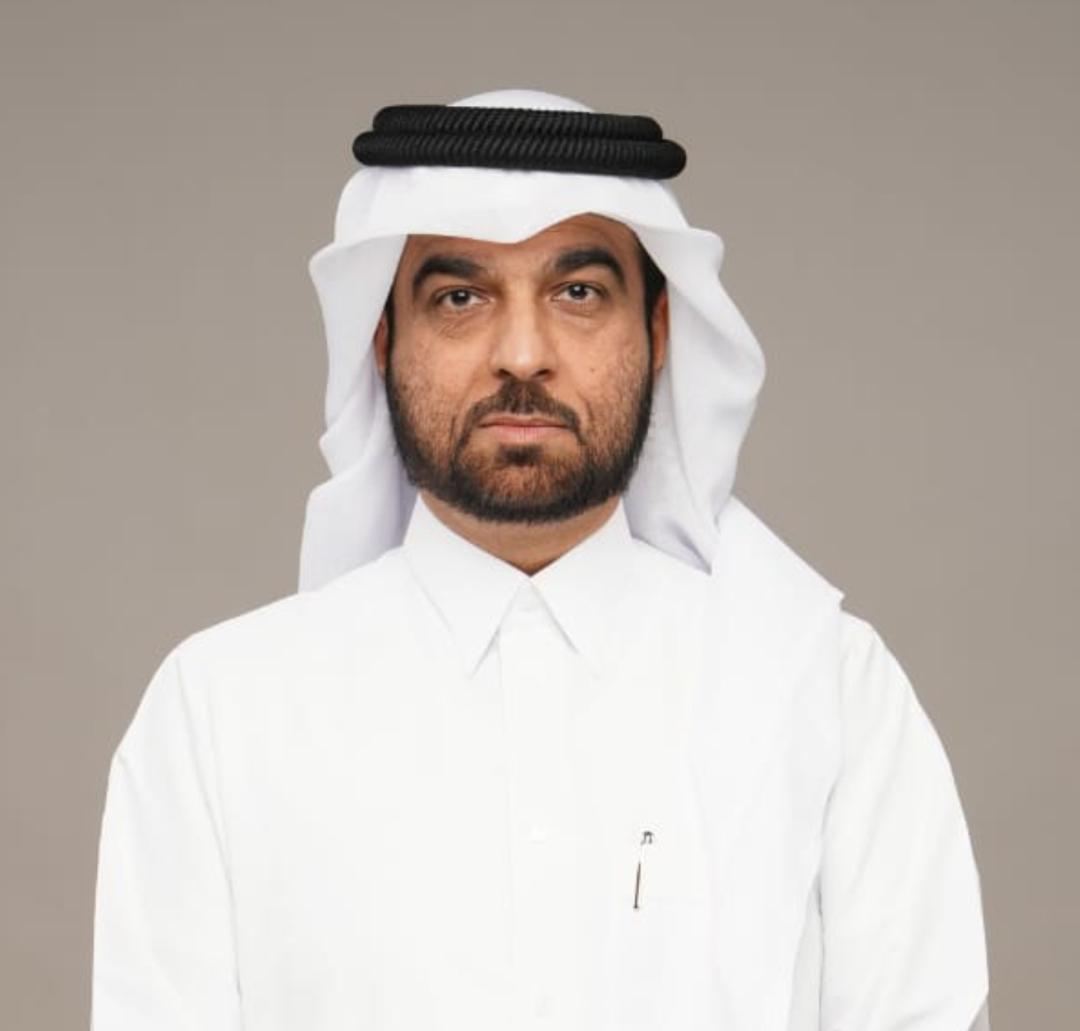
Al-Jamali: Complete equality between men and women may involve injustice and discrimination against women
Algeria – December 10, 2021:
Doha-based Arab Network for National Human Rights Institutions (ANNHRI ) has renewed its commitment to the articles of the Universal Declaration of Human Rights of 1948, including the rights and freedoms contained therein, as one of the basic references upon which ANNHRI was founded in promoting and protecting human rights in the Arab region.
This came during a video speech delivered by H.E Mr. Sultan bin Hassan Al Jamali, ANNHRI’s Executive Director, at the seminar organized by the National Council for Human Rights in Algeria on the occasion of the Human Rights Day, whose main theme for this year is “equality”. Al-Jamali said that the principles of equality and non-discrimination are deep-rooted in human rights and are consistent with the 2030 Agenda for Sustainable Development and the United Nations principle of inclusion. He added: “The principle of equality and the principle of non-discrimination in the International Bill of Human Rights are of great importance. They represent a cornerstone and a starting point for all rights, as they are two principles that oppose discrimination in all its forms and types, whether it is based on gender, sex, colour, belief, religion, affiliation, or any other discrimination based on racial renunciation. Therefore, the International Human Rights Law (IHRL) establishes obligations that states must maintain.”
He referred to the prevailing debate about the two concepts of justice and equality, and which one best achieves the aspirations of marginalized and disadvantaged groups; such as women and religious and ethnic minorities. At the same time, he emphasized that there is no equality if there is no justice, as he said: “The members of the same society cannot be equal in rights and duties without justice. Hence, equality becomes a basic objective of the value of justice.” He pointed out that this debate was explained by Islam that rights should be given from the perspective of justice, not equality. He said: “Complete equality between men and women may involve injustice and discrimination against women, and this is what some sectors of the feminist movement in the West advocate.” He added: “Therefore, these movements reject the idea that women should have the same working conditions as men, because they have needs that men do not have, such as long paid maternity leave, the provision of childcare facilities in the workplace and study, and the breastfeeding leave for working mothers.”
Furthermore, Al-Jamali emphasized that without recognizing and providing these “special needs,” it cannot be said that women enjoy equal opportunities with men. He said: “Thus, it is necessary to provide equal employment opportunity while providing a supportive work environment for women.”
He added: “Equality is achieved through treating everyone the same, while justice is achieved when people are treated according to their needs and does not have to be equal. Although justice is more comprehensive than equality, society needs both in order to be successful.” ANNHRI’s Executive Director called for the necessity of achieving equality in dignity and realizing the rights of all to opportunities and results in order to build more just and inclusive societies.
Al-Jamali pointed out: ”Through its strategic plan and cooperation with UN commissions, programs and teams, and all stakeholders when building up the capacities of member institutions, ANNHRI seeks to link its capacity-building mandates to meet the achievement of SDGs from a human rights perspective.” He explained that ANNHRI will organize at the end of February 2022 an International Conference on “International Solidarity and the 2030 Agenda for Sustainable Development: The Pivotal Importance of SDG 16: Peace, Justice and Strong Institutions.”